

Forest to Fabric: Birla Cellulose Drives Transparency and
Circularity Across Fibre Value Chains
The FSC APAC Outstanding Business Series celebrates organizations redefining what’s possible in responsible sourcing and sustainable business practice. This edition turns the spotlight to Birla Cellulose, a pioneer transforming wood-based fibres into circular, traceable solutions, and advancing the textile industry’s journey toward a lower-impact future.
What is Birla Cellulose’s role in the global textile supply chain, and how does this enable direct impact on sustainability from forest to fashion?
As a global leader in Man-Made Cellulosic Fibres (MMCFs), Birla Cellulose embraces its responsibility to drive sustainability across the industry. Through responsible wood pulp sourcing and partnerships with global fashion brands, it demonstrates true ‘forest to fashion’ alignment. High standards in sourcing, transparency, traceability, and stewardship actively shape a more sustainable textile ecosystem.


How does Birla Cellulose implement FSC Chain of Custody certification, and why is this important for credible sustainable fibre sourcing?
All Birla Cellulose’s man-made cellulosic fibre (MMCF) manufacturing facilities hold FSC® Chain of Custody (CoC) certification, a crucial mechanism that strengthens sustainable wood sourcing. This certification enhances traceability of raw materials by implementing segregation of FSC-certified material, robust documentation processes, and regular independent audits by certification bodies. FSC certification is a key way we reinforce trust with environmentally conscious brands and consumers. In addition, initiatives like blockchain-based traceability and sustainable manufacturing practices further demonstrate our commitment to sourcing integrity and leadership in responsible textile production.
What trends are shaping B2B partners’ sustainability expectations, and how is Birla Cellulose responding with innovation and solutions?
In recent years, demand from brands and retailers has significantly grown for transparent and traceable value chains, as well as circular and low-carbon products. This shift has been driven both by consumer expectations and by manufacturers and suppliers responding to evolving sustainability standards. Apparel brands now increasingly align with global reporting frameworks such as GRI, DJSI, and CDP, and reinforce accountability through certifications like FSC®, Canopy Hot Button rankings, Higg FEM/FSLM, ZDHC guidelines, and tracking Scope 3 emissions—addressing both environmental and social dimensions.
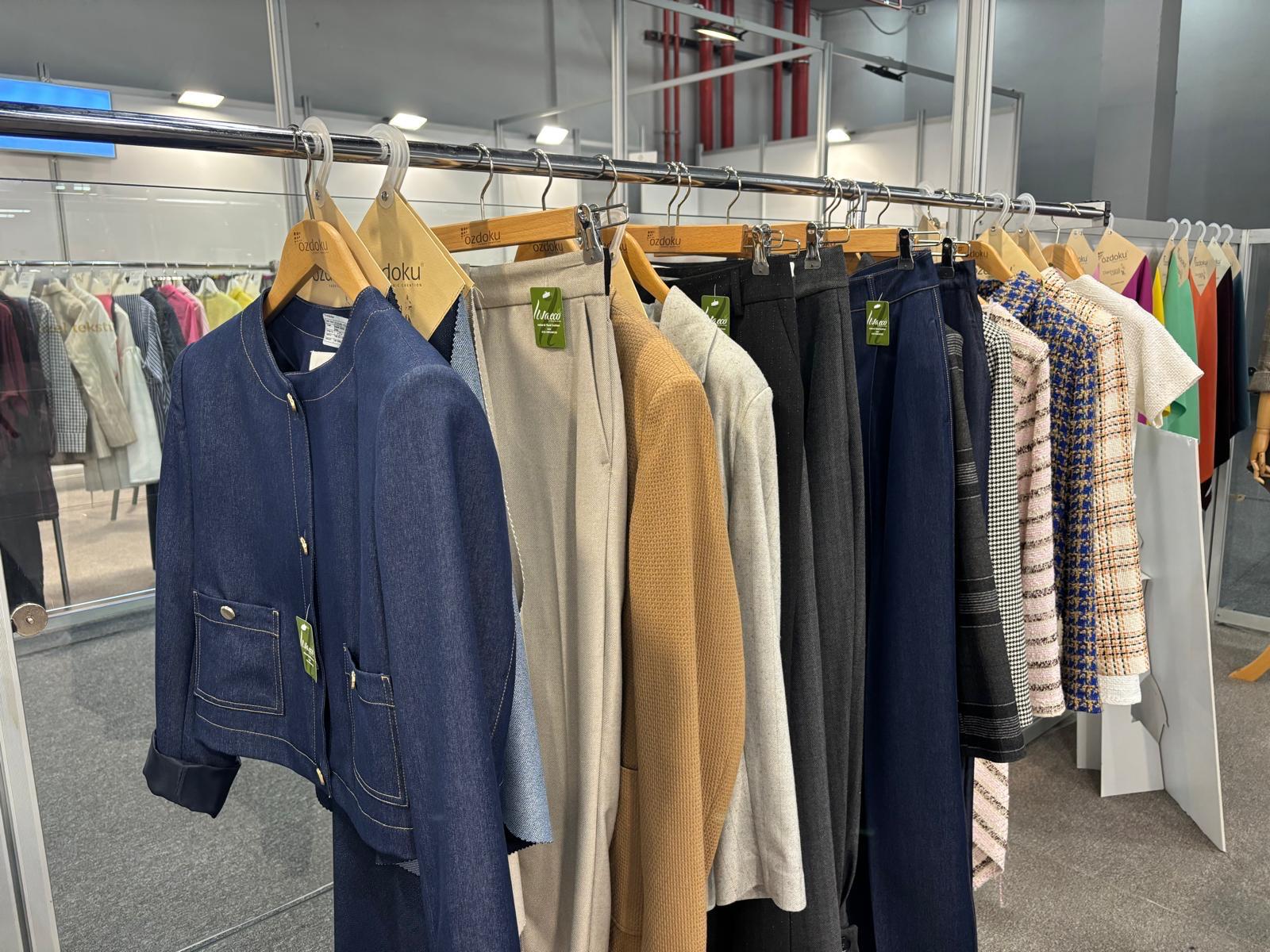
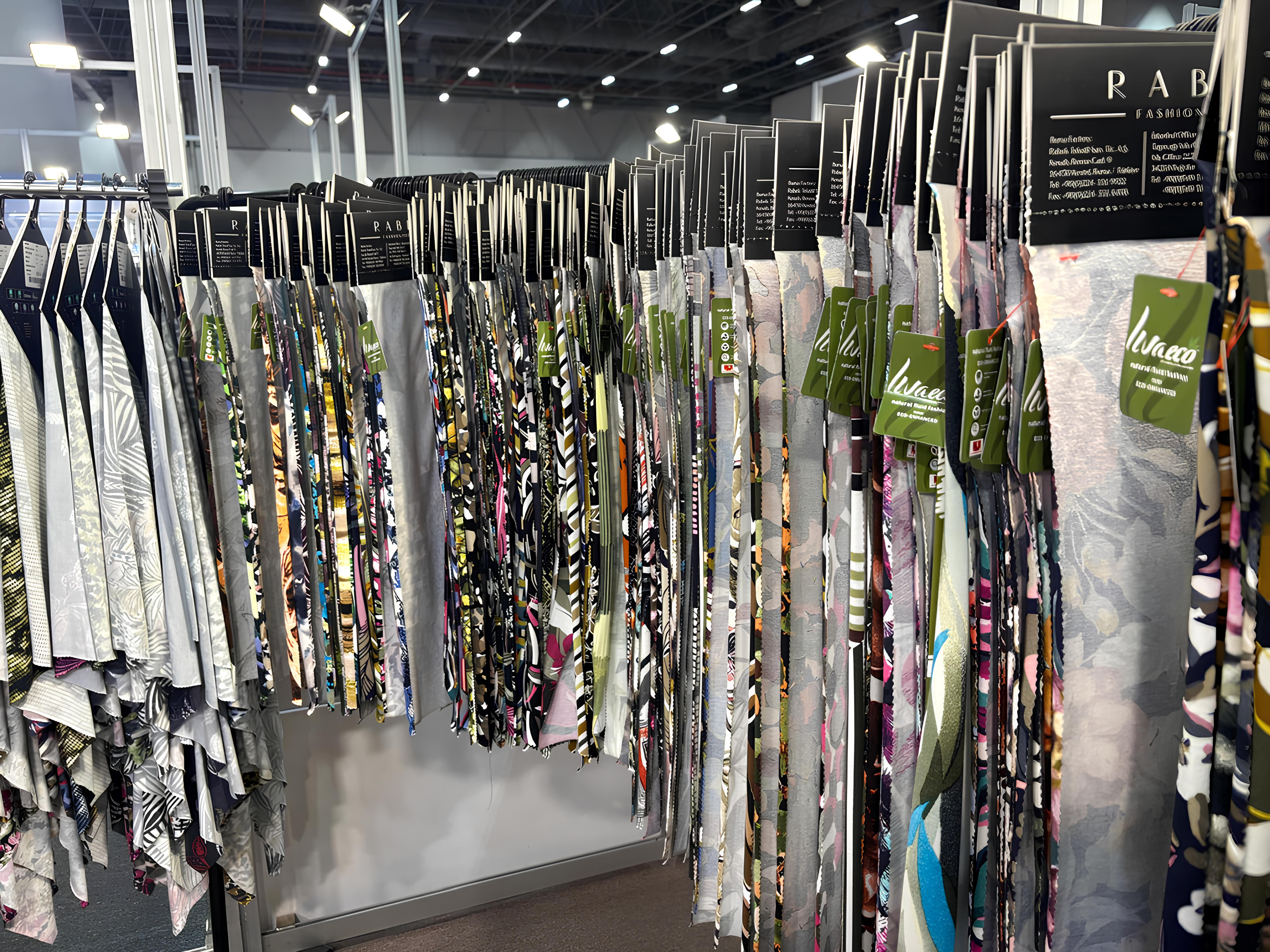
At Birla Cellulose, substantial investment in Research & Development (R&D) and Product Stewardship enables continuous innovation for tomorrow’s sustainability requirements. These efforts support the growing demand for biodegradable, renewable, and recycled materials. End-to-end transparency is delivered via GreenTrack™, our proprietary blockchain traceability platform, which builds deep trust with brands and retailers. Notable products include Livaeco Viscose & Modal (low-carbon and traceable), Liva Reviva (circular fibre utilizing textile waste), and Birla Excel (lyocell from closed-loop processes). By continually innovating across products and processes, Birla Cellulose effectively anticipates and meets the changing needs of its customers.
How significant is third-party certification (such as FSC) for your clients in evaluating suppliers, and how does Birla Cellulose meet or exceed these expectations?
Third-party certifications such as FSC® are essential for many brands and retailers when evaluating suppliers, though they are considered alongside criteria such as traceability, supplier performance, product footprint, and innovation. These certifications help ensure fibres are sourced from responsibly managed forests and support compliance with sourcing policies. Birla Cellulose offers FSC-certified options across its MMCF portfolio with Chain-of-Custody documentation and independent audits, supplemented by GreenTrack™ digital traceability, transparent disclosures, and lifecycle data. Collectively, these measures position FSC as one of several important tools for building trust and long-term supplier partnerships.

What share of Birla Cellulose’s fibre output is FSC-certified, and what are your main sourcing regions?
Currently, over 95% of Birla Cellulose’s pulp is derived from FSC®-certified sources, including both FSC Mix and Controlled sources. Dissolving grade pulp is sourced from FSC®-certified suppliers across regions such as the USA, Canada, Sweden, South Africa, and Chile. The inclusion of third-party certification in our sourcing practices provides assurance to stakeholders regarding responsible forest management. While FSC certification is an essential part of this framework, Birla Cellulose’s approach also incorporates active partnerships with a diverse network of global suppliers, the adoption of alternative feedstocks, and ongoing circular innovation. Together, these elements demonstrate our commitment to accountability and sustainability in pulp sourcing.
What sets flagship fibres like Livaeco and Liva Reviva apart in sustainable textile innovation?
Several flagship fibres from Birla Cellulose, including Livaeco and Liva Reviva, carry FSC certification—adding credibility to their sustainable profiles. Their distinction lies in innovation-driven attributes: Livaeco combines FSC certification with traceability, a significantly reduced carbon and water footprint, and closed-loop manufacturing technology. Liva Reviva is a pioneering circular fibre, blending up to 30% textile waste with wood pulp sourced from FSC-certified forests in a closed-loop process. FSC certification strengthens both products’ market profiles, but it is their combined features—circularity, low-carbon performance, transparency, and traceability via GreenTrack™—that make them compelling, future-ready choices for global fashion brands.
What are the requirements for FSC certification, and how does Birla Cellulose communicate these credentials to its partners and consumers?
FSC®-certified products require sourcing from certified forests and total Chain of Custody compliance. Birla Cellulose communicates certification through FSC labelling, GreenTrack™ traceability, and sustainability disclosures—reinforced with product innovation and transparent reporting for supply chain confidence.
What are Birla Cellulose’s current and long-term commitments for responsible sourcing, circularity, and climate strategy?
Responsible sourcing remains central to our sustainability efforts, with forestry certifications such as FSC® playing an essential and integral role. These certifications work in conjunction with initiatives like scaling alternative feedstocks, strengthening closed-loop technologies, and building circular solutions. Concurrently, our climate strategy targets Net Zero Carbon emissions across all operations by 2040 and a 50% reduction in greenhouse gas (GHG) intensity by 2030. Through combining certification schemes with internal innovation, we pursue a balanced, comprehensive approach to sustainability that guides our long-term impact.
What major targets guide Birla Cellulose’s sustainability priorities through 2030 and beyond?
Birla Cellulose’s sustainability roadmap for 2030 and beyond brings together multiple levers of responsible growth. FSC-certified sourcing continues as a core part of our sourcing strategy, complemented by major commitments such as implementing closed-loop processes across all MMCF manufacturing facilities, reducing specific water consumption in viscose manufacturing by a further 20% by 2030 (building on a 55% reduction already achieved by 2024), and scaling up the use of pre- and post-consumer waste to strengthen circularity. By embedding FSC-certified sourcing within a broad portfolio of sustainability priorities, Birla Cellulose aims to reinforce its position as a trusted partner to global fashion brands, while maintaining the flexibility to innovate and adapt within an evolving sustainability landscape.
About FSC Outstanding Business Series: The FSC APAC Outstanding Business Series shares the stories of Asia-Pacific brands making a real difference in sustainability by choosing FSC-certified products. Through their commitment to responsible sourcing and innovative supply chain practices, these organizations are shaping a more ethical future for forests, communities, and industries alike. The series is designed to offer practical insights and lessons for any business looking to support sustainable forestry and deliver lasting value for people and the planet.
About Birla Cellulose: The Cellulosic Fibres Business of the Aditya Birla Group is a globally leading sustainability-focused Man-Made Cellulosic Fibres (MMCF) producer. Birla Cellulose operates 10 sites for pulp and fibre manufacturing that apply environmentally efficient closed-loop technologies including use of recycled materials and enhanced conservation of natural resources. Its five advanced research centres are equipped with state-of-the-art facilities and pilot plants.
Birla Cellulose collaborates actively with its upstream and downstream partners to create a bigger and broader positive impact on the sustainability of its value chain. Visit https://www.livabybirlacellulose.com/